Traveling Alone – Experience That Shapes My Work

Personal experiences with solo travel, cultural transitions, and navigating unfamiliar environments.

Traveling alone is not about proving something or pushing yourself beyond your limits.

It’s about learning to navigate new situations independently, becoming comfortable with uncertainty, and trusting your ability to handle what comes up along the way.

I’ve been traveling alone for more than 25 years. These experiences have shaped how I move through unfamiliar environments — and how I work with people who want to feel more confident stepping into the unknown.
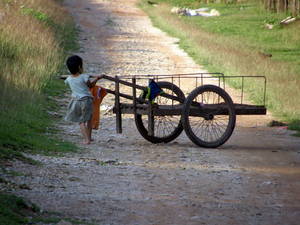
Little girl pushing cart

Traveling Alone as a Lived Experience

Traveling alone requires attentiveness, adaptability, and a willingness to observe before acting.

Without a familiar person beside you, you become more aware of your surroundings, your reactions, and the way people communicate, both verbally and non-verbally.

Over time, this sharpens your ability to read situations realistically rather than emotionally.

You learn to distinguish between actual risk and imagined fear, between uncertainty and danger.

Solo travel doesn’t eliminate fear — it puts it into perspective.

What Solo Travel Teaches about Communication

Many people delay traveling alone not because they lack ability, but because uncertainty feels overwhelming.

Questions like “What if something goes wrong?” or “What if I can’t handle it?” are natural — and they deserve to be taken seriously.

Confidence doesn’t come from pretending fear isn’t there.

It comes from understanding situations, preparing thoughtfully, and knowing how to respond calmly when plans change.

This approach — grounded, realistic, and reflective — is at the core of how I work with people who want to embark on their own adventures.

Openness, Awareness and Interaction

When you travel alone, interactions tend to change.

You often become more approachable, more observant, and more present in conversations with others.

You rely less on assumptions and more on context.

Misunderstandings become learning moments rather than obstacles.

These experiences strongly influence how I think about communication, cultural differences, and confidence in unfamiliar environments — all of which play a central role in my professional work today.

Traveling with Children

Traveling with children adds another layer of responsibility — and another perspective.

Children are often highly adaptable, curious, and open to new environments when they feel safe and supported.

With thoughtful planning and realistic expectations, traveling together can become a shared learning experience rather than a source of stress.

This perspective has reinforced my belief that confidence grows through exposure, preparation, and reflection — not through pressure.

From Experience to Guidance

The experiences described on this page form the foundation of my Solo Travel offer.

This is not about motivation or pushing yourself into uncomfortable situations.

It’s about understanding your fears, preparing realistically, and developing the confidence to travel independently in a way that feels right for you.

The focus is on:

  • assessing situations calmly

  • building trust in your own decision-making

  • developing practical confidence before and during your journey

Solo Travel as a Personal Step

Traveling alone looks different for everyone.

For some, it’s a weekend away. For others, a longer journey or a major life transition.

If you’re interested in exploring solo travel as a way to build confidence and independence — thoughtfully and at your own pace — this work is designed to support exactly that.

Just drop me a line via email or the contact form and we can discuss how I can help you set out on your adventure.

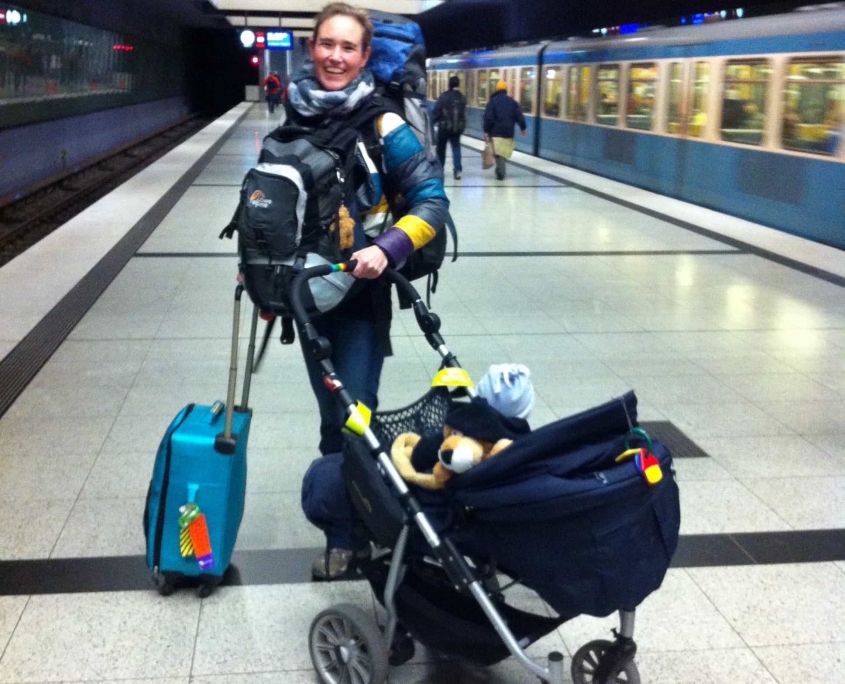
Traveling alone as a woman, with baby, stroller and backpack